Address
304 North Cardinal St.
Dorchester Center, MA 02124
Work Hours
Monday to Friday: 7AM - 7PM
Weekend: 10AM - 5PM
Address
304 North Cardinal St.
Dorchester Center, MA 02124
Work Hours
Monday to Friday: 7AM - 7PM
Weekend: 10AM - 5PM

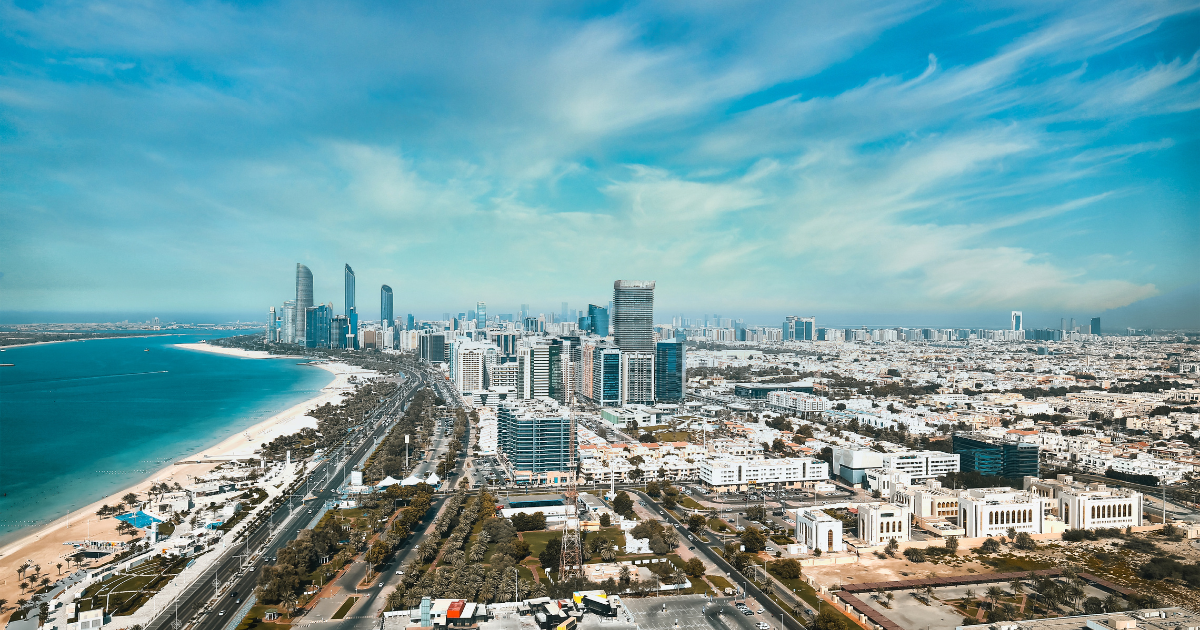

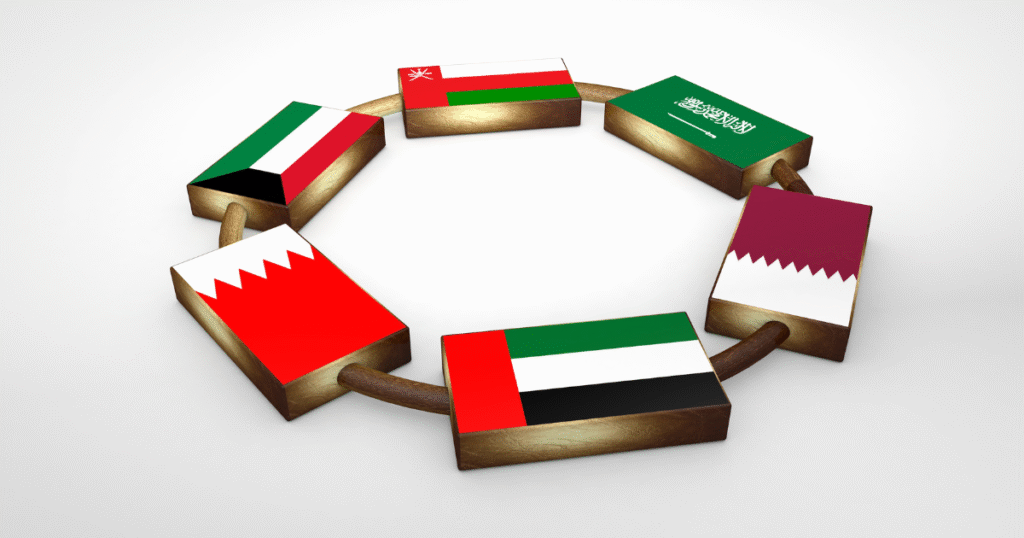
The Gulf Cooperation Council (GCC) — comprising the UAE, Saudi Arabia, Qatar, Oman, and Bahrain — has become a magnet for global investors seeking long-term residency, tax-free income, and stable business environments.
At Global Citizenship HQ, we help high-net-worth individuals (HNWIs) and entrepreneurs select the ideal GCC residency framework — comparing requirements, investment thresholds, and residency validity across all five leading countries.
(See → Second Passport Consultation Services)
No personal income tax, capital gains tax, or inheritance tax across all GCC states.
Direct access to Asia, Africa, and Europe with world-class infrastructure and airports.
Free zones, low regulations, and 100 % foreign ownership available in major sectors.
Dependents, including spouse, children, and parents, qualify for residence sponsorship.
High-yield property markets in Dubai, Doha, Muscat, and Manama.
| Country | Minimum Investment | Visa Validity | Processing Time | Family Inclusion |
|---|---|---|---|---|
| UAE | AED 1 million (property) | 5–10 years | 4–6 weeks | Yes |
| Saudi Arabia | SAR 4 million | 5 years to lifetime | 6–8 weeks | Yes |
| Qatar | QAR 1 million | 5–10 years | 3–6 weeks | Yes |
| Oman | OMR 250,000 | 5–10 years | 6–8 weeks | Yes |
| Bahrain | BHD 100,000 | 10 years | 6–10 weeks | Yes |

The UAE Golden Visa offers long-term residency of 5 or 10 years to investors, entrepreneurs, and property owners.
Investment Options:
Key Benefits:
✅ 0 % income tax
✅ Family sponsorship (spouse, children, staff)
✅ Dual property and business ownership
✅ Residency across all Emirates
(Explore → UAE Residency by Investment)
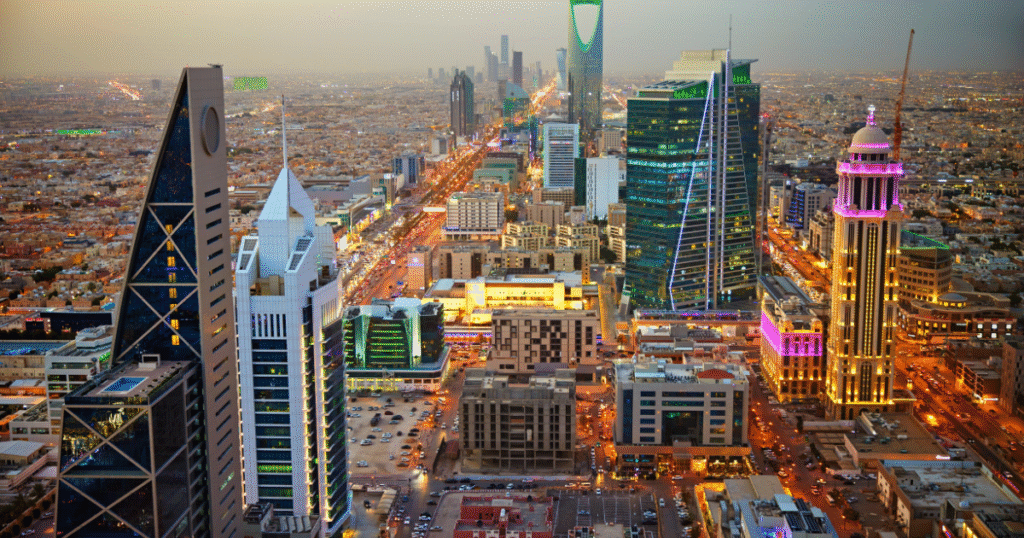
Saudi Arabia’s Premium Residency (Green & Special categories) provides renewable 5-year or lifetime residency to qualified investors and executives.
Investment Requirements:
Benefits:
✅ Work & ownership rights
✅ 100 % business ownership
✅ Family inclusion
✅ No sponsor required
(Read → Saudi Arabia Investor Residency)
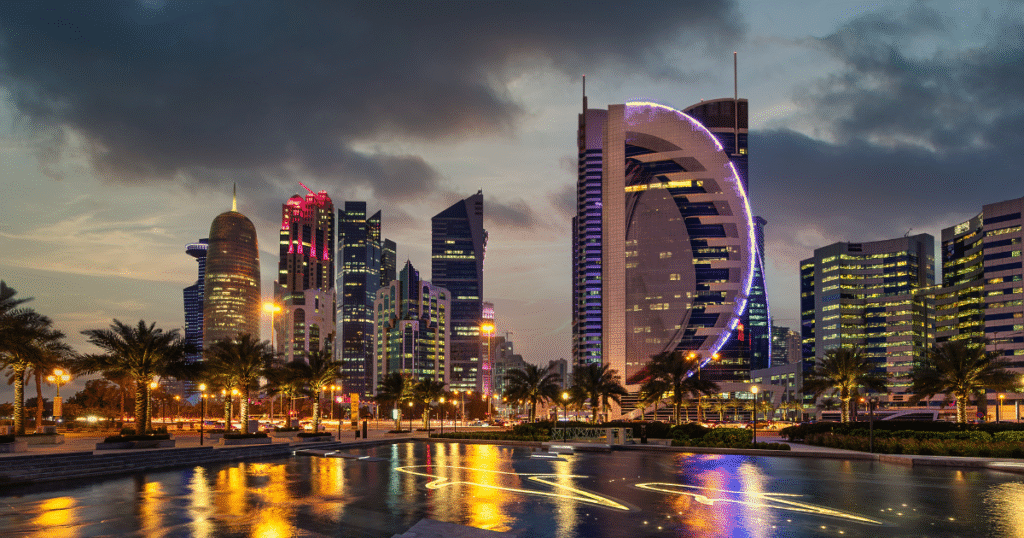
Qatar offers a 5–10 year renewable investor visa for foreign property or business investors.
Requirements:
Advantages:
✅ Renewable 10-year visa for QAR 5 million+ investments
✅ Family & domestic staff sponsorship
✅ No personal income or capital gains tax
(Learn → Qatar Investor Visa Program)
Oman’s new Residency-by-Investment (RBI) framework, launched by the Ministry of Commerce & Industry, offers 5- and 10-year permits.
Investment Options:
Benefits:
✅ Residency for spouse, children, and parents
✅ Permanent property rights
✅ No minimum stay requirement
(See → Oman Residency by Investment)
Bahrain’s Golden Residency Visa supports business owners and property investors seeking 10-year renewable residence.
Requirements:
Benefits:
✅ Renewable 10-year visa
✅ Family and domestic staff inclusion
✅ 0 % income and inheritance tax
✅ Access to GCC business markets
(Explore → Bahrain Investor Residency Program)
All GCC investor residencies offer zero personal income tax, no inheritance tax, and no capital gains tax.
Additionally, many jurisdictions maintain DTAs (Double Tax Agreements) with major economies to avoid double taxation.
(Linked → Tax Optimization for Global Citizens)
The GCC offers the ideal ecosystem for relocating company headquarters:
✅ 100 % ownership in free zones
✅ Corporate banking in multi-currency accounts
✅ Simplified visa sponsorship for employees
(See → Corporate Relocation Services)
| Objective | Recommended Country | Reason |
|---|---|---|
| Family inclusion | UAE / Saudi Arabia | Comprehensive dependents & staff sponsorship |
| Real estate investment | Qatar / Oman | Strong rental yields |
| Business relocation | UAE / Bahrain | Global trade & banking hubs |
| Fast-track approval | Qatar | 3–6 week average |
| Long-term (lifetime) residency | Saudi Arabia | Lifetime Premium Residency option |
(Compare further → Second Passport Consultation Services)
✅ Licensed GCC immigration partners & corporate advisors
✅ Legal support for investment documentation
✅ Residency card & QID / Emirates ID activation
✅ Bank account and tax residency coordination
✅ 100 % confidentiality and compliance
📞 Book your GCC residency consultation today:
🌐 https://GlobalCitizenshipHQ.com/contact
Q1 : Which GCC country offers the longest residency?
Saudi Arabia provides lifetime Premium Residency.
Q2 : Can I include my family in my investor visa?
Yes — spouse, children, and even domestic staff can be added.
Q3 : Do GCC residencies require physical stay?
No, most have no mandatory stay, though periodic entry is recommended.
Q4 : Are these residencies renewable?
Yes — all can be renewed every 5–10 years.
Q5 : Which country offers best ROI on real estate?
Qatar and the UAE currently lead with 6–8 % annual yields.
Get a confidential, no-obligation assessment of your options from our investment migration specialists.
Book Your Free ConsultationContinue exploring: Citizenship by Investment Guide · Golden Visa Programs · Passport Index 2026 · All Countries
The reference section below extends this article with the market-wide data, costs, process and answers our readers ask for most — maintained by the Global Citizenship HQ research desk and updated as programmes change.
The independence note that shapes our coverage: Global Citizenship HQ maintains programme data from primary sources — statutes, government gazettes and official fee schedules — and updates after every legislative change. Rankings and comparisons follow published methodology; where commercial relationships exist with programmes or developers, they never alter an editorial conclusion.
Every application in this field runs on the same documentary spine — assembled early, it is the single biggest determinant of your timeline:
The preparation standard that separates fast files from stalled ones: every name, date and address rendered identically across every document, validity windows mapped so nothing expires mid-process, and certified translations from recognised translators only.
The regulatory backdrop matters to every decision on this page: since the 2024 Caribbean MOU established shared due-diligence standards and a US$200,000 price floor, and the European Court of Justice ended intra-EU citizenship sales in 2025, the market has consolidated around fewer, better-governed programmes. That consolidation is the buyer’s friend — surviving programmes defend their treaties vigorously because their entire value depends on them.
To place the topic above in market context, here is the current landscape at a glance — figures verified against official programme publications for 2026:
| Program | Minimum investment | Status granted | Presence required | Citizenship path |
|---|---|---|---|---|
| Portugal | €500,000 regulated funds | Golden Visa (renewable) | ~7 days/year | Eligible at 5 years (A2 test) |
| Greece | €250,000–€800,000 property | 5-year Golden Visa | None | 7 years genuine residence |
| UAE | AED 2M (≈US$545,000) property or fund | 10-year Golden Visa | Brief periodic entry | No practical path |
| Hungary | €250,000 fund units | 10-year Guest Investor permit | Minimal | 8 years + language |
| Italy | €250,000–€2M | 2-year Investor Visa (renewable) | None for permit | 10 years |
| Malta (MPRP) | €150,000–€200,000 total costs | Permanent residence | None | Discretionary only |
| Cyprus | €300,000 new property | Permanent residence | Visit every 2 years | Long residence |
| USA (EB-5) | US$800,000 TEA project | Conditional green card | Genuine relocation | 5 years after PR |
| New Zealand | NZD 5M (growth) / 10M (balanced) | Residence (never expires once PR) | 21 days (growth tier) | 5 years |
| Panama | US$300,000+ property/securities | Permanent residence in ~30 days | 1 visit / 2 years | 5 years (discretionary) |
| Paraguay | ≈US$70,000 SUACE plan | Permanent residence | Light | 3 years |
| Singapore | SGD 10M (GIP) | Permanent residence | Substantive | 2+ years (renounce others) |
Whatever route this article points you toward, the cost anatomy is consistent across the industry — and the headline figure is never the whole story:
| Cost component | Typical range | When paid | Notes |
|---|---|---|---|
| Government contribution / investment | US$90,000–US$800,000+ | After approval-in-principle | The headline figure; donation is consumed, property/bonds recoverable |
| Due diligence fees | US$7,500–US$15,000 per adult | At filing | Non-refundable; funds international background checks |
| Government processing fees | US$250–US$10,000 per person | At filing / approval | Varies sharply by programme and dependent count |
| Professional / legal fees | US$15,000–US$50,000 per family | Staged | File preparation, compliance, submission, post-approval support |
| Document costs | US$1,000–US$5,000 | Preparation phase | Apostilles, sworn translations, police certificates, courier |
| Passport & certificate fees | US$350–US$1,500 per person | After approval | Biometrics, issuance, oath administration where applicable |
| Property transaction costs (if applicable) | 4–10% of price | At closing | Transfer taxes, registration, agent commissions |
Rule of thumb across the industry: budget 15–25% above the headline contribution for a realistic all-in figure, and require an itemised fee schedule in writing before engaging any advisor.
A planning principle that applies across every scenario above: sequence beats selection. The families with the best outcomes rarely found secret programmes — they executed ordinary ones in the right order: fast citizenship for immediate optionality, residence permits matched to actual living intentions, tax residency moved deliberately before liquidity events, and every dependent included at the cheapest possible moment.
From first consultation to passport or permit in hand, well-run applications follow a predictable arc:
Yes — citizenship includes the unrestricted right to reside. Most investors never move, but the option is real: St Kitts and Antigua offer the strongest infrastructure and connectivity, Grenada authentic island life with hurricane-belt advantages, Dominica unmatched nature. Programme economics are similar enough that lifestyle can be the tiebreaker.
Visa-free passports get the Schengen 90/180-day allowance. A national residence permit (Greek or Portuguese golden visa) removes the limit for its issuing country entirely — unlimited presence there, plus the standard allowance across the rest of Schengen. Families wanting European lives buy the permit; travellers manage the count.
Grenada and Türkiye hold E-2 treaties with the United States: their citizens can obtain renewable US business-residence visas by making a substantial investment (typically US$150,000+) in an American enterprise. It is the practical alternative to EB-5’s US$800,000 — business residence in under a year for roughly half the total capital.
As ordinary citizenships — with one extra KYC question about how the nationality was acquired. Answer plainly with the naturalisation certificate and programme documentation; statutory programmes are recognised globally. CRS reporting continues to follow your tax residence exactly as before.
Passports renew normally (5 or 10 years by state) for life — citizenship is permanent and inheritable. Keep the naturalisation certificate safeguarded in certified copies, register children born after naturalisation promptly, honour any investment holding period, and update banks proactively with the new status.
Where our advisory desk fits: we run exactly this analysis against your specific passport, family and objectives — modelling the realistic all-in costs, flagging profile complications before they meet a due-diligence analyst, and managing authorised submission end-to-end. The first consultation is free, confidential and obligation-free.
Reading across the whole market rather than one programme at a time changes conclusions surprisingly often. Families who arrive certain they want a specific passport frequently leave with a two-instrument structure — a fast citizenship for permanence and a residence permit for lifestyle — because the combined cost of the right pair often undercuts forcing one product to do both jobs badly.
| Mobility tier | Representative passports | Approx. visa-free reach | How investors access the tier |
|---|---|---|---|
| Tier 1 — Global elite | Singapore, Japan, Germany, France, Italy, Spain | 190–195 destinations | Naturalisation after residence programmes (Portugal 5 yrs is the engineered path) or ancestry claims |
| Tier 2 — Strong Western | UK, USA, Canada, Australia, New Zealand | 184–189 | Skilled migration, EB-5 (US$800k), NZ Active Investor Plus, then naturalisation |
| Tier 3 — Premium CBI | St Kitts & Nevis, Antigua, Grenada, St Lucia, Dominica | 143–150 incl. Schengen & UK | Direct purchase: US$200,000–250,000, 4–6 months |
| Tier 4 — Regional powers | Türkiye, and rising climbers like the UAE | 110–183 | Türkiye US$400k CBI; UAE citizenship not sold — 10-yr Golden Visa instead |
| Tier 5 — Budget documents | Vanuatu, Nauru, São Tomé, Cambodia, Egypt, Jordan | 54–95 | US$90,000–250,000; plan-B and regional value, not Europe access |
The tier logic explains most pricing in this industry: you are buying treaty networks. Moving up one tier is what the investment actually purchases; comparing programmes within a tier is where family policy, speed and route options decide.
The interaction between programmes deserves more attention than it gets: a Caribbean passport changes how a golden-visa application reads (stronger travel profile), an EU residence changes how banks treat your Caribbean citizenship (established footprint), and a deliberate tax residence makes every other document in your life easier to explain. Portfolios compound; single purchases just sit there.


