Address
304 North Cardinal St.
Dorchester Center, MA 02124
Work Hours
Monday to Friday: 7AM - 7PM
Weekend: 10AM - 5PM
Address
304 North Cardinal St.
Dorchester Center, MA 02124
Work Hours
Monday to Friday: 7AM - 7PM
Weekend: 10AM - 5PM

caribbean citizenship programs
Caribbean Citizenship Programs Compared — Best Options for Global Investors. Caribbean citizenship programs compared — St Kitts, Grenada, Dominica, Antigua, and St Lucia. Discover benefits, timelines, and visa-free travel opportunities.
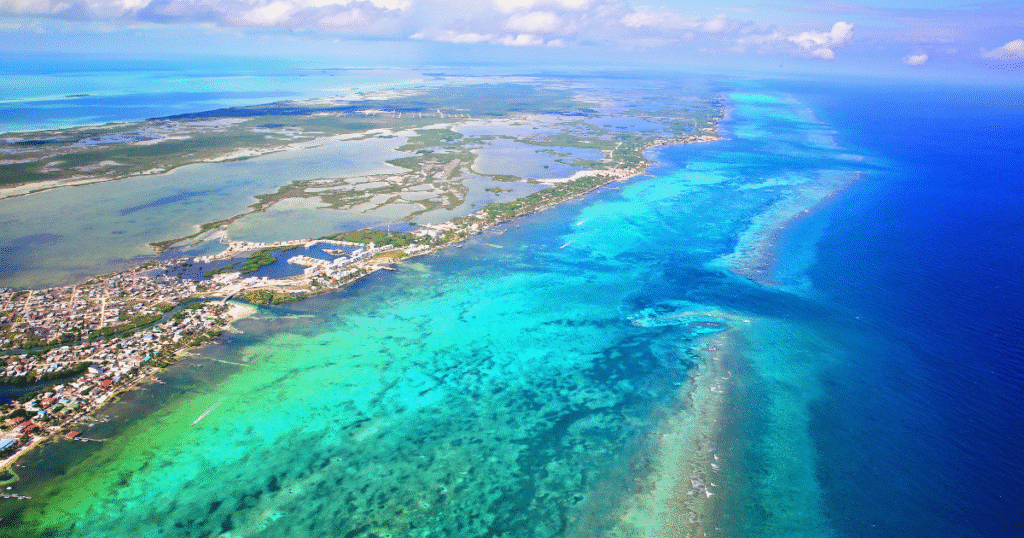
The Caribbean Citizenship by Investment (CBI) programs remain the fastest and most affordable way for investors and families to obtain a second passport.
At Global Citizenship HQ, we guide you through the key differences between St Kitts & Nevis, Dominica, Grenada, Antigua & Barbuda, and St Lucia, helping you choose the program that best fits your mobility, tax, and family goals.
(Also see → Second Passport Consultation Services)
Visa-free travel to 150+ countries, including the EU Schengen Zone, UK, Singapore, and Hong Kong.
Minimum investment starts at USD 100,000, much lower than EU or North American programs.
Receive your passport in 3–6 months, with no physical residence required.
All programs allow inclusion of spouses, dependent children, and parents.
No income, inheritance, or capital-gains tax on foreign earnings.
(Linked → Tax Optimization for Global Citizens)
| Program | Min. Investment | Processing Time | Visa-Free Destinations | Family Inclusion |
|---|---|---|---|---|
| St Kitts & Nevis | $250,000 | 4–6 months | 155+ | Yes |
| Dominica | $100,000 | 3–4 months | 145+ | Yes |
| Grenada | $150,000 | 3–6 months | 140+ (includes China, Russia) | Yes |
| Antigua & Barbuda | $150,000 | 4–6 months | 150+ | Yes (up to 5 dependents) |
| St Lucia | $100,000 | 3–5 months | 140+ | Yes |
(Programs regulated under Caribbean Community (CARICOM) standards)
The St Kitts & Nevis Citizenship by Investment Program, launched in 1984, is the oldest and most prestigious CBI program worldwide.
Key Benefits:
(Explore → St Kitts & Nevis Citizenship by Investment)
The Dominica Citizenship by Investment Program is globally recognized for affordability and transparency.
Investment Options:
Highlights:
✅ Low cost for single or family applicants
✅ Strong due-diligence process under EU oversight
✅ Visa-free to 145+ countries
(See → Dominica Citizenship by Investment)
Grenada’s program is the only Caribbean citizenship offering access to the U.S. E-2 Investor Visa, allowing investors to live and operate businesses in America.
Investment Options:
Highlights:
✅ U.S. E-2 Visa eligibility
✅ Visa-free to China & Russia
✅ Dual citizenship allowed
✅ Citizenship for spouse, children, and parents
(Read → Grenada Citizenship by Investment)
The Antigua & Barbuda Citizenship by Investment Program is perfect for larger families, offering one of the most affordable packages for 5+ members.
Investment Options:
Benefits:
✅ Family of up to five included
✅ Visa-free to 150+ destinations
✅ Low government fees compared to others
(View → Antigua & Barbuda Citizenship by Investment)
The St Lucia Citizenship Program is known for its flexibility and innovation, including government bonds and enterprise projects.
Investment Options:
Highlights:
✅ Transparent online verification system
✅ Options for real estate, donation, or bonds
✅ Fast processing (≈ 90 days)
(Explore → St Lucia Citizenship by Investment)
(See → Global Due Diligence & Background Verification for Investors)
Caribbean passports offer significant fiscal advantages:
(Learn → Family Citizenship Planning)
✅ Licensed Caribbean CBI partnerships (St Kitts, Dominica, Grenada, Antigua, St Lucia)
✅ 100 % confidentiality & GDPR-compliant data management
✅ Pre-due-diligence check and document legalization support
✅ Multi-country program comparison tailored to your goals
✅ Post-citizenship tax and relocation support
📞 Book your consultation today:
🌐 https://GlobalCitizenshipHQ.com/contact
Q1 : Which Caribbean passport is the best?
St Kitts & Nevis is the most established; Dominica and St Lucia offer best value; Grenada is ideal for U.S. access.
Q2 : Can my family apply with me?
Yes, all five programs allow inclusion of spouses, dependent children, and parents.
Q3 : How long does the process take?
Typically 3–6 months depending on due diligence and documentation.
Q4 : Is dual citizenship allowed?
Yes, all Caribbean CBI countries permit dual nationality.
Q5 : What if I want to sell my investment property?
You can resell government-approved real estate after 5 years while keeping your citizenship.
Get a confidential, no-obligation assessment of your options from our investment migration specialists.
Book Your Free ConsultationContinue exploring: Citizenship by Investment Guide · Golden Visa Programs · Passport Index 2026 · All Countries
The reference section below extends this article with the market-wide data, costs, process and answers our readers ask for most — maintained by the Global Citizenship HQ research desk and updated as programmes change.
The independence note that shapes our coverage: Global Citizenship HQ maintains programme data from primary sources — statutes, government gazettes and official fee schedules — and updates after every legislative change. Rankings and comparisons follow published methodology; where commercial relationships exist with programmes or developers, they never alter an editorial conclusion.
To place the topic above in market context, here is the current landscape at a glance — figures verified against official programme publications for 2026:
| Program | Minimum investment | Timeline | Visa-free access | Residence req. |
|---|---|---|---|---|
| St Kitts & Nevis | US$250,000 (SISC donation) or US$325,000+ real estate | 4–6 months | ≈150 destinations incl. Schengen & UK | None |
| Dominica | US$200,000 (EDF donation) or US$200,000+ real estate | 4–6 months | ≈143 destinations incl. Schengen & UK | None |
| Grenada | US$235,000 (NTF donation) or US$270,000+ real estate | 4–6 months | ≈146 incl. China; US E-2 treaty | None |
| Antigua & Barbuda | US$230,000 (NDF, family of 4) | 4–6 months | ≈147 destinations | 5 days in 5 years |
| St Lucia | US$240,000 donation or US$300,000 bond | 4–8 months | ≈145 destinations | None |
| Türkiye | US$400,000 real estate or US$500,000 deposit | 4–8 months | ≈110; US E-2 treaty | None |
| Vanuatu | US$130,000 (DSP) | 2–3 months | ≈95 (EU access suspended) | None |
| Egypt | US$250,000 donation | 6–12 months | ≈70 destinations | None |
| Nauru | US$105,000 contribution | 3–4 months | ≈89 destinations | None |
| São Tomé & Príncipe | ≈US$90,000 contribution | 4–6 months | ≈70 destinations | None |
| Cambodia | US$245,000 donation / US$305,000 investment | 3–6 months | ≈54 destinations | None |
| Jordan | US$750,000+ investment | 6–9 months | ≈55 destinations | None |
Whatever route this article points you toward, the cost anatomy is consistent across the industry — and the headline figure is never the whole story:
| Cost component | Typical range | When paid | Notes |
|---|---|---|---|
| Government contribution / investment | US$90,000–US$800,000+ | After approval-in-principle | The headline figure; donation is consumed, property/bonds recoverable |
| Due diligence fees | US$7,500–US$15,000 per adult | At filing | Non-refundable; funds international background checks |
| Government processing fees | US$250–US$10,000 per person | At filing / approval | Varies sharply by programme and dependent count |
| Professional / legal fees | US$15,000–US$50,000 per family | Staged | File preparation, compliance, submission, post-approval support |
| Document costs | US$1,000–US$5,000 | Preparation phase | Apostilles, sworn translations, police certificates, courier |
| Passport & certificate fees | US$350–US$1,500 per person | After approval | Biometrics, issuance, oath administration where applicable |
| Property transaction costs (if applicable) | 4–10% of price | At closing | Transfer taxes, registration, agent commissions |
Rule of thumb across the industry: budget 15–25% above the headline contribution for a realistic all-in figure, and require an itemised fee schedule in writing before engaging any advisor.
The regulatory backdrop matters to every decision on this page: since the 2024 Caribbean MOU established shared due-diligence standards and a US$200,000 price floor, and the European Court of Justice ended intra-EU citizenship sales in 2025, the market has consolidated around fewer, better-governed programmes. That consolidation is the buyer’s friend — surviving programmes defend their treaties vigorously because their entire value depends on them.
From first consultation to passport or permit in hand, well-run applications follow a predictable arc:
Every application in this field runs on the same documentary spine — assembled early, it is the single biggest determinant of your timeline:
The preparation standard that separates fast files from stalled ones: every name, date and address rendered identically across every document, validity windows mapped so nothing expires mid-process, and certified translations from recognised translators only.
A planning principle that applies across every scenario above: sequence beats selection. The families with the best outcomes rarely found secret programmes — they executed ordinary ones in the right order: fast citizenship for immediate optionality, residence permits matched to actual living intentions, tax residency moved deliberately before liquidity events, and every dependent included at the cheapest possible moment.
Yes — citizenship includes the unrestricted right to reside. Most investors never move, but the option is real: St Kitts and Antigua offer the strongest infrastructure and connectivity, Grenada authentic island life with hurricane-belt advantages, Dominica unmatched nature. Programme economics are similar enough that lifestyle can be the tiebreaker.
All CBI states permit it; the question is your current nationality. Most Western, African and Latin American states allow dual citizenship freely; India, China, Japan, Singapore and Saudi Arabia prohibit or heavily restrict it; South Africa requires prior retention approval. Verify your combination before committing — sequencing mistakes are irreversible.
Preparation typically consumes 4–8 weeks before filing; government processing then runs 2–3 months (Vanuatu), 4–6 months (Caribbean core) or 4–8 months (Türkiye). The applicant controls the largest variable — document readiness — which is why prepared files consistently land at the fast end of published ranges.
Take the headline contribution and add 15–25%: due diligence at US$7,500–15,000 per adult, government processing fees, professional fees, document legalisation and passport issuance. A single applicant on a US$200,000 donation typically completes around US$240,000–255,000 all-in; families scale with per-dependent fees rather than multiples of the base.
Visa-free passports get the Schengen 90/180-day allowance. A national residence permit (Greek or Portuguese golden visa) removes the limit for its issuing country entirely — unlimited presence there, plus the standard allowance across the rest of Schengen. Families wanting European lives buy the permit; travellers manage the count.
Turning research into an outcome: Global Citizenship HQ manages the full journey — strategy, document architecture, source-of-funds preparation, authorised filing, interview readiness and post-approval compliance. Families we advise typically move from first call to submitted application inside eight weeks.
The interaction between programmes deserves more attention than it gets: a Caribbean passport changes how a golden-visa application reads (stronger travel profile), an EU residence changes how banks treat your Caribbean citizenship (established footprint), and a deliberate tax residence makes every other document in your life easier to explain. Portfolios compound; single purchases just sit there.
| Mobility tier | Representative passports | Approx. visa-free reach | How investors access the tier |
|---|---|---|---|
| Tier 1 — Global elite | Singapore, Japan, Germany, France, Italy, Spain | 190–195 destinations | Naturalisation after residence programmes (Portugal 5 yrs is the engineered path) or ancestry claims |
| Tier 2 — Strong Western | UK, USA, Canada, Australia, New Zealand | 184–189 | Skilled migration, EB-5 (US$800k), NZ Active Investor Plus, then naturalisation |
| Tier 3 — Premium CBI | St Kitts & Nevis, Antigua, Grenada, St Lucia, Dominica | 143–150 incl. Schengen & UK | Direct purchase: US$200,000–250,000, 4–6 months |
| Tier 4 — Regional powers | Türkiye, and rising climbers like the UAE | 110–183 | Türkiye US$400k CBI; UAE citizenship not sold — 10-yr Golden Visa instead |
| Tier 5 — Budget documents | Vanuatu, Nauru, São Tomé, Cambodia, Egypt, Jordan | 54–95 | US$90,000–250,000; plan-B and regional value, not Europe access |
The tier logic explains most pricing in this industry: you are buying treaty networks. Moving up one tier is what the investment actually purchases; comparing programmes within a tier is where family policy, speed and route options decide.
The pace of change is itself a planning input. Recent seasons alone delivered:
None of these changes stripped status from anyone who already held it. All of them repriced or restricted what later applicants could buy — the asymmetry that defines timing in this field.
Reading across the whole market rather than one programme at a time changes conclusions surprisingly often. Families who arrive certain they want a specific passport frequently leave with a two-instrument structure — a fast citizenship for permanence and a residence permit for lifestyle — because the combined cost of the right pair often undercuts forcing one product to do both jobs badly.


